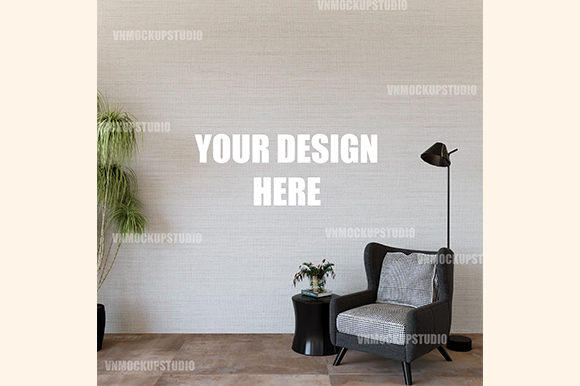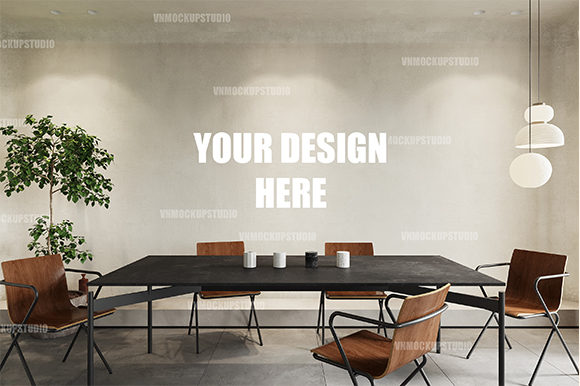
Wall Mockup, Frame Mockup for Realistic Art Display
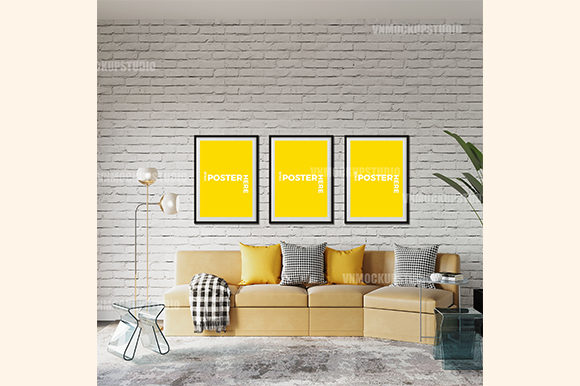
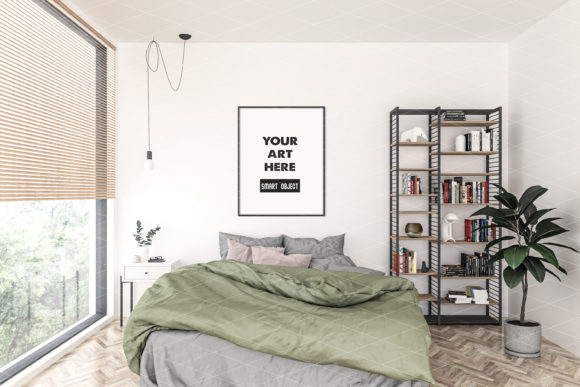
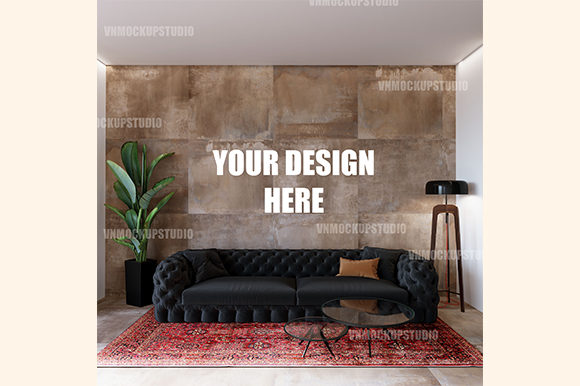
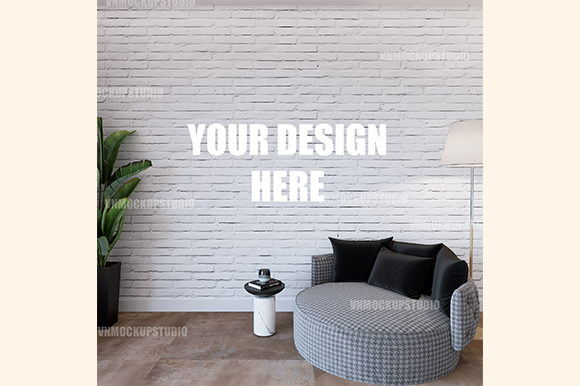
Wall mockups and frame mockups are powerful tools for artists, designers, and creators looking to showcase their work in a realistic setting. These digital assets allow you to place your artwork, prints, or photos within a real room interior, giving clients a clear idea of how the final piece will look in their space. Whether you're an online seller, a blogger, or a designer, these mockups offer a professional and engaging way to present your creative work.
The Wall Mockup, Frame Mockup package includes a high-resolution TIF file at 2750×1833 pixels with 300 dpi. This resolution ensures that your images remain sharp and detailed, even when printed or displayed on large screens. The file is designed as a smart object, making it easy to edit and place your artwork without losing quality. The frame is arranged to create a realistic look with adjusted shadows and angles, ensuring that your design stands out in a natural and appealing way.
One of the key benefits of using these mockups is the absence of placeholder text or watermarks. The final images are clean and ready for immediate use. This makes them ideal for professional presentations, marketing materials, or online sales platforms where a polished appearance is essential.
Exploring Creative Possibilities
Wall mockups and frame mockups open up a world of creative possibilities. They can be used to visualize how different pieces of art might look in various spaces, from modern living rooms to rustic bedrooms. By experimenting with different layouts, you can find the perfect placement for each piece, ensuring that it complements the overall aesthetic of the room.
For example, a photographer might use a wall mockup to show how a series of landscape prints would look on a gallery wall. A graphic designer could use a frame mockup to demonstrate how a custom illustration would fit into a client’s home office. These tools allow you to present your work in a context that resonates with your audience, making it easier for them to imagine the final result.
Additionally, wall mockups can be used to test different styles and themes. You might try placing a minimalist abstract painting in a contemporary setting or a vintage portrait in a traditional room. This flexibility helps you explore new ideas and refine your creative direction.
Applications Across Different Industries
The versatility of wall mockups and frame mockups makes them valuable across multiple industries. For small business owners, these tools can enhance their online shop by providing customers with a realistic view of how products will look in their homes. This can increase trust and reduce uncertainty, leading to more confident purchasing decisions.
Bloggers and content creators can use these mockups to add visual interest to their posts. Whether you're writing about home decor trends or sharing tips on displaying art, including a wall mockup can help illustrate your points and engage your audience. It also adds a professional touch to your content, making it more appealing and shareable.
For educators and students, wall mockups can serve as a practical tool for teaching design principles. They can be used to demonstrate composition, color theory, and spatial relationships in a real-world context. This hands-on approach can make learning more interactive and effective.
Practical Tips for Using Wall Mockups
To get the most out of your wall mockup and frame mockup, consider the following tips:
- Choose the right background: Select a room interior that matches the style of your artwork. A modern setting works well for contemporary pieces, while a rustic or traditional backdrop suits classic designs.
- Experiment with lighting: Adjust the lighting in the mockup to highlight your artwork. Natural light can create a warm and inviting feel, while artificial lighting can add drama and depth.
- Use consistent styling: Maintain a cohesive look by matching the frame and surrounding elements to the overall theme of the room. This creates a more realistic and polished presentation.
- Test different sizes: Try placing your artwork in various frame sizes to see which one best complements the space. This can help you make informed decisions about the final product.
By following these guidelines, you can ensure that your mockups are not only visually appealing but also effective in communicating your vision to your audience.
Maximizing Impact with Realistic Presentation
Realism is key when using wall mockups and frame mockups. The goal is to create a lifelike representation of how your artwork will appear in a real environment. This requires attention to detail, such as accurate shadows, lighting, and perspective.
When creating your mockup, take time to adjust the positioning and angles to achieve the desired effect. Pay close attention to how the frame interacts with the background and how the artwork is framed within the space. These small details can make a big difference in the overall impact of your presentation.
Another important aspect is consistency. If you're using multiple mockups for different pieces, ensure that they follow a similar style and format. This helps maintain a professional appearance and makes it easier for your audience to compare and evaluate your work.
Finally, remember that the ultimate goal is to connect with your audience. Whether you're showcasing your art to potential clients, promoting your products online, or sharing your creative process, the mockups should serve as a bridge between your vision and the viewer's imagination.