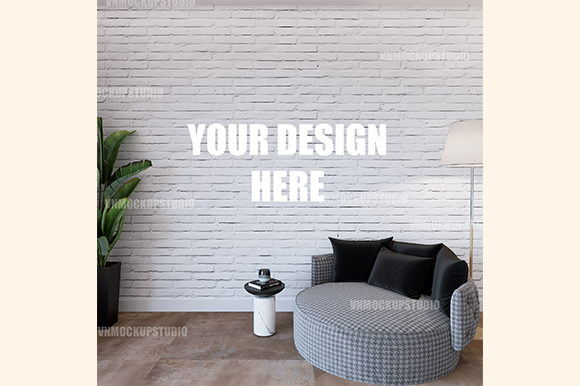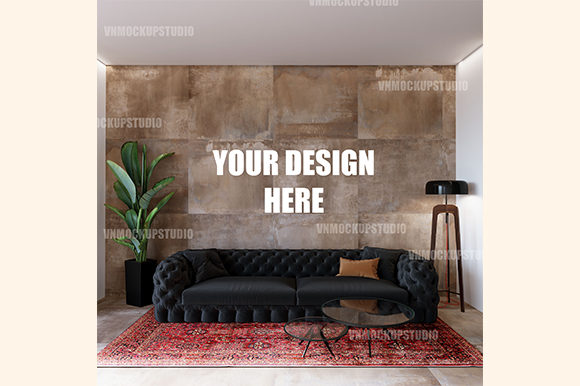
Enhancing Visual Storytelling with Interior Mockup and Room Wall Mockup
In the world of design, visual storytelling plays a crucial role in conveying ideas effectively. Whether you're a professional artist, a small business owner, or an online retailer, the ability to showcase your work in a realistic setting can significantly impact how your audience perceives it. This is where Interior Mockup and Room Wall Mockup come into play, offering a powerful tool for presenting artwork, prints, or photographs in a real room interior. These mockups allow you to demonstrate how your creations will look in a client's home, making the decision-making process more engaging and informed.
The use of these mockups extends beyond just aesthetics. They serve as a bridge between the digital and physical worlds, helping to visualize how art integrates into everyday spaces. By leveraging high-resolution files such as TIFs at 2700×2700 px with 300 dpi, creators can ensure that their presentations are crisp and detailed, meeting the expectations of discerning clients and customers.
Understanding the Benefits of Interior Mockup
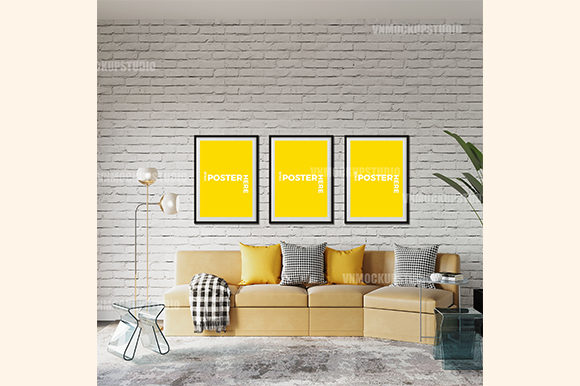
Interior Mockup provides a versatile solution for those looking to present their artwork in a realistic context. Unlike generic placeholders, these mockups feature carefully arranged frames and shadows that mimic natural lighting conditions. This attention to detail ensures that the final image looks authentic, allowing viewers to imagine how the artwork would fit into their own environments.
One of the key advantages of using an Interior Mockup is the ease of integration. With smart object placement, users can quickly insert their designs without needing advanced graphic design skills. This makes the process accessible to a wide range of individuals, from novice artists to seasoned professionals. The absence of placeholder text like “Your Design Here” or watermarks further enhances the professionalism of the final product, ensuring that the focus remains on the artwork itself.
Exploring the Practical Applications of Room Wall Mockup
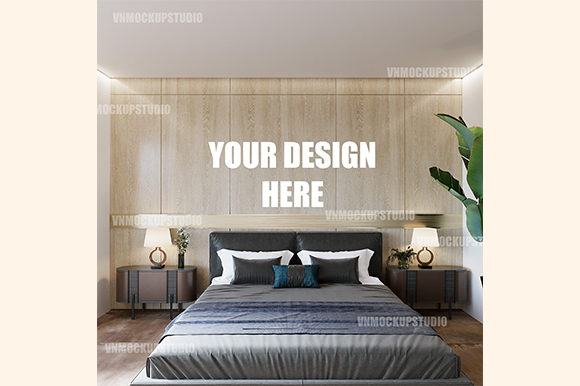
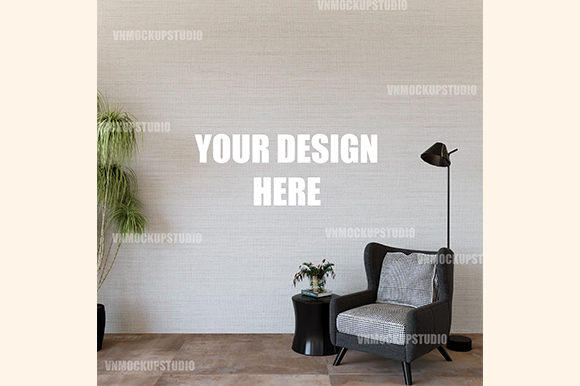
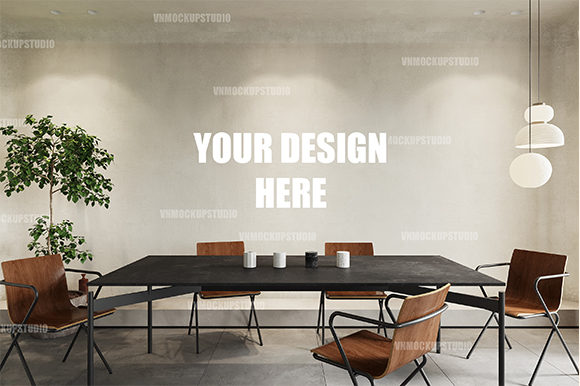
Room Wall Mockup is particularly useful for those who want to highlight their work in a specific setting. Whether it's a modern living room, a cozy bedroom, or a minimalist office space, these mockups allow for a variety of scenarios. By selecting the right backdrop, creators can tailor their presentations to match the preferences of their target audience, increasing the likelihood of engagement and conversion.
For online shops, blogs, or websites, the ability to showcase artwork in a real-world context can be a game-changer. Potential buyers are more likely to make a purchase when they can envision how the product will look in their space. This not only improves the shopping experience but also builds trust and credibility with the audience. The instant download feature of these mockups ensures that users can start creating and showcasing their work immediately, without any delays.
Key Features of High-Resolution Digital Files
The quality of the digital files provided with these mockups is essential for achieving a professional look. A TIF file at 2700×2700 px with 300 dpi offers exceptional clarity, making it ideal for both online and print use. This level of detail ensures that even the smallest elements of the artwork are visible, providing a comprehensive view of the final presentation.
Moreover, the inclusion of smart objects allows for seamless integration of the artwork into the mockup. This means that users can easily adjust the size, position, or orientation of their design without compromising the overall quality of the image. The result is a polished and professional-looking presentation that reflects the creator's attention to detail and commitment to excellence.
Choosing the Right Mockup for Your Needs
When selecting an Interior Mockup or Room Wall Mockup, it's important to consider the specific needs of your project. For instance, if you're targeting a particular demographic, such as homeowners looking for unique wall art, choosing a mockup that reflects a contemporary or eclectic style may be more effective. On the other hand, if your audience prefers a more traditional aesthetic, a mockup featuring classic furniture and decor could be more appropriate.
Additionally, the versatility of these mockups allows for creative experimentation. You can test different layouts, color schemes, and framing options to determine what works best for your artwork. This flexibility not only enhances the presentation but also encourages innovation and creativity in your design process.
Best Practices for Using Interior Mockup and Room Wall Mockup
To get the most out of your Interior Mockup and Room Wall Mockup, it's essential to follow some best practices. First, ensure that your artwork is optimized for the dimensions and resolution of the mockup. This will help maintain the quality of the final image and prevent any distortion or loss of detail.
Second, consider the lighting conditions of the room in which the artwork will be displayed. Natural light can enhance the colors and textures of the artwork, while artificial lighting may alter the perception of the piece. By understanding how light interacts with your work, you can create a more accurate and compelling presentation.
Finally, take the time to review the final mockup images before sharing them with your audience. Check for any inconsistencies, such as misaligned elements or unexpected shadows, and make adjustments as needed. This attention to detail will ensure that your presentations are professional and visually appealing.
Conclusion
Interior Mockup and Room Wall Mockup offer valuable tools for anyone looking to showcase their artwork in a realistic and engaging manner. By leveraging high-resolution digital files and smart object placement, creators can produce professional-quality presentations that resonate with their audience. Whether you're an artist, a designer, or a business owner, these mockups provide a practical solution for demonstrating how your work fits into real-world environments. With careful consideration of your needs and best practices in place, you can maximize the effectiveness of these tools and elevate your visual storytelling efforts.