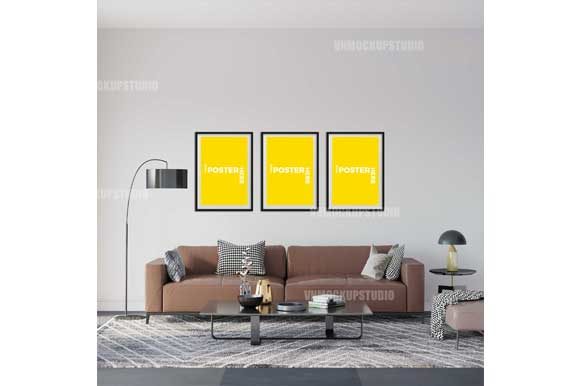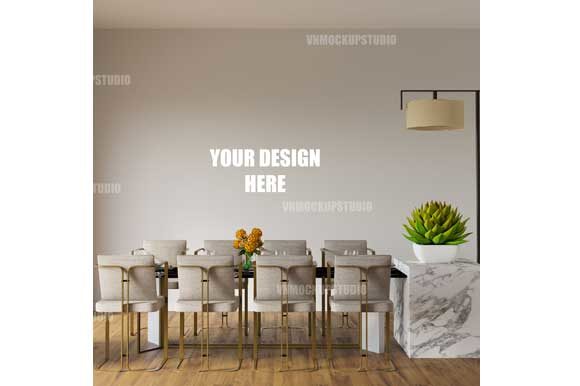
Enhancing Interior Design with Dining Room Mockup and Kitchen Wall Mockup
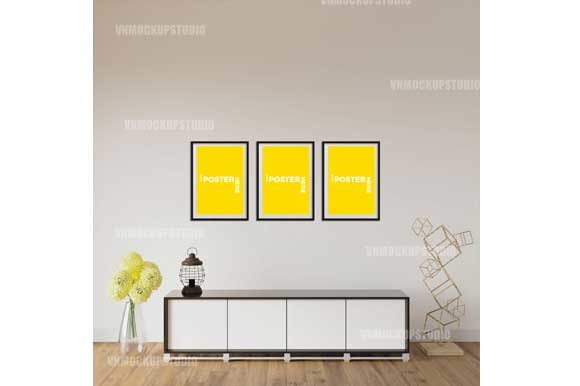
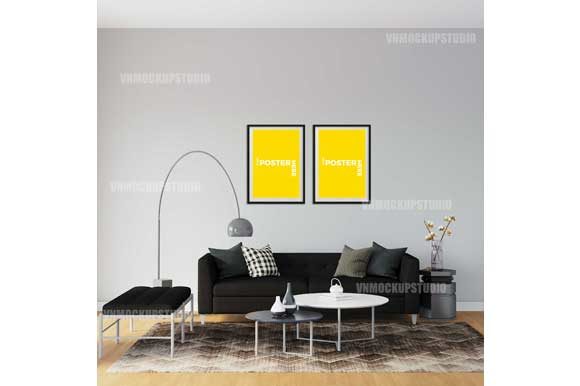
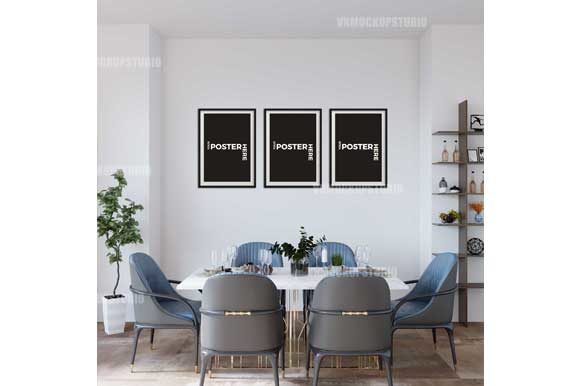
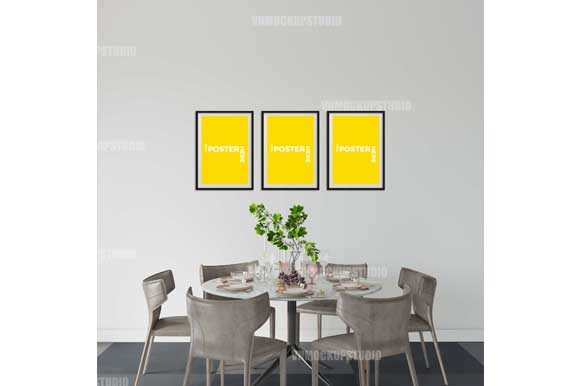
In the world of interior design, visual representation plays a crucial role in conveying ideas and showcasing potential. Whether you're a professional designer, an artist, or a business owner looking to promote your work, having access to high-quality mockups can make a significant difference. Dining Room Mockup and Kitchen Wall Mockup are two versatile tools that allow creators to present their artwork, prints, or photographs within realistic room settings. These digital assets provide a practical solution for demonstrating how designs will look in real-life environments, making them valuable for online shops, blogs, and personal portfolios.
The use of these mockups extends beyond just aesthetics. They serve as a bridge between the creative process and the final presentation, helping clients visualize how art or design elements will integrate into their living spaces. By leveraging Dining Room Mockup and Kitchen Wall Mockup, designers can offer a more immersive experience, allowing potential buyers to see the impact of their choices before making a purchase.
Understanding the Features of Dining Room Mockup and Kitchen Wall Mockup
Dining Room Mockup and Kitchen Wall Mockup are designed with precision to ensure a realistic depiction of how artwork or photos would appear in actual interiors. These digital files come in high-resolution formats such as PSD and JPG, with dimensions of 2700×2700 pixels at 300 dpi. This level of detail ensures that the final images maintain clarity and quality, even when printed or displayed on large screens.
A key feature of these mockups is the ability to place artwork easily using smart objects. This functionality allows users to overlay their designs onto the mockup without altering the original file, providing flexibility and ease of use. The frames and backgrounds are carefully arranged to mimic real-world lighting, shadows, and angles, enhancing the authenticity of the final image.
One of the most notable advantages of these mockups is the absence of placeholder text or watermarks. Unlike some generic templates, the final images produced from Dining Room Mockup and Kitchen Wall Mockup are clean and professional, ready for immediate use in marketing materials, client presentations, or online listings.
Practical Applications of Dining Room Mockup and Kitchen Wall Mockup
The versatility of Dining Room Mockup and Kitchen Wall Mockup makes them suitable for a wide range of applications. For artists and photographers, these tools offer a way to showcase their work in a context that resonates with potential buyers. By placing a photograph or print within a dining room or kitchen setting, creators can demonstrate how their pieces would complement different styles of decor.
For interior designers, these mockups serve as a powerful communication tool. Instead of relying solely on sketches or descriptions, designers can present clients with visual representations that illustrate how specific artworks or furniture pieces would fit into a space. This approach not only enhances client understanding but also builds trust by providing a clear vision of the final outcome.
Business owners who sell art or home décor can benefit from using these mockups on their websites or social media platforms. High-quality visuals can attract more attention and increase engagement, leading to higher conversion rates. By displaying artwork in realistic environments, businesses can create a stronger emotional connection with their audience, encouraging them to imagine the piece in their own homes.
Benefits of Using Digital Mockups in Design and Marketing
Using digital mockups like Dining Room Mockup and Kitchen Wall Mockup offers several benefits that go beyond simple visual appeal. One of the primary advantages is the time and cost savings associated with traditional photography. Setting up a physical shoot requires resources such as props, lighting equipment, and studio space, which can be both time-consuming and expensive. With digital mockups, the same results can be achieved with minimal effort and no additional costs.
Another benefit is the flexibility they provide. Users can easily modify the artwork placement, adjust lighting, or experiment with different frame styles without needing to recreate the entire setup. This adaptability allows for greater creativity and experimentation, enabling designers to explore multiple options before settling on a final product.
Moreover, digital mockups contribute to a more sustainable approach to design and marketing. By reducing the need for physical prototypes or printed materials, businesses can minimize waste and lower their environmental impact. This aligns with growing consumer demand for eco-friendly practices, adding value to the brand’s overall image.
Considerations When Using Dining Room Mockup and Kitchen Wall Mockup
While Dining Room Mockup and Kitchen Wall Mockup are highly useful, there are certain considerations to keep in mind when using these tools. First, it's important to understand the technical requirements of the files. The high-resolution format ensures quality, but it may also result in larger file sizes, which could affect download times or storage capacity. Users should ensure they have sufficient space and bandwidth to handle these files effectively.
Additionally, the effectiveness of these mockups depends on the quality of the artwork being used. A well-designed image or photograph will look more impressive when placed within a realistic environment. Therefore, it's essential to invest time in creating or selecting high-quality content that complements the mockup’s aesthetic.
Finally, users should consider the intended audience when presenting these mockups. While a modern, minimalist style may appeal to one group, a more traditional or rustic look might resonate with another. Understanding the preferences of the target market can help in choosing the right mockup and adjusting the design accordingly for maximum impact.
Integrating Dining Room Mockup and Kitchen Wall Mockup Into Your Workflow
For those new to using digital mockups, integrating Dining Room Mockup and Kitchen Wall Mockup into their workflow can be a smooth process. Start by selecting the appropriate mockup based on the desired setting—whether it's a dining room, kitchen, or another space. Once the file is downloaded, open it in a design software like Adobe Photoshop or a compatible alternative to place the artwork.
Experiment with different placements and adjustments to achieve the desired effect. Pay attention to details such as lighting and shadows to ensure the final image looks natural and cohesive. Once satisfied, export the file in the required format and use it across various platforms, including websites, social media, or printed materials.
By incorporating these mockups into their workflow, creators and professionals can enhance their presentation capabilities, improve client communication, and ultimately drive better results in their design or marketing efforts.